

Quick answer
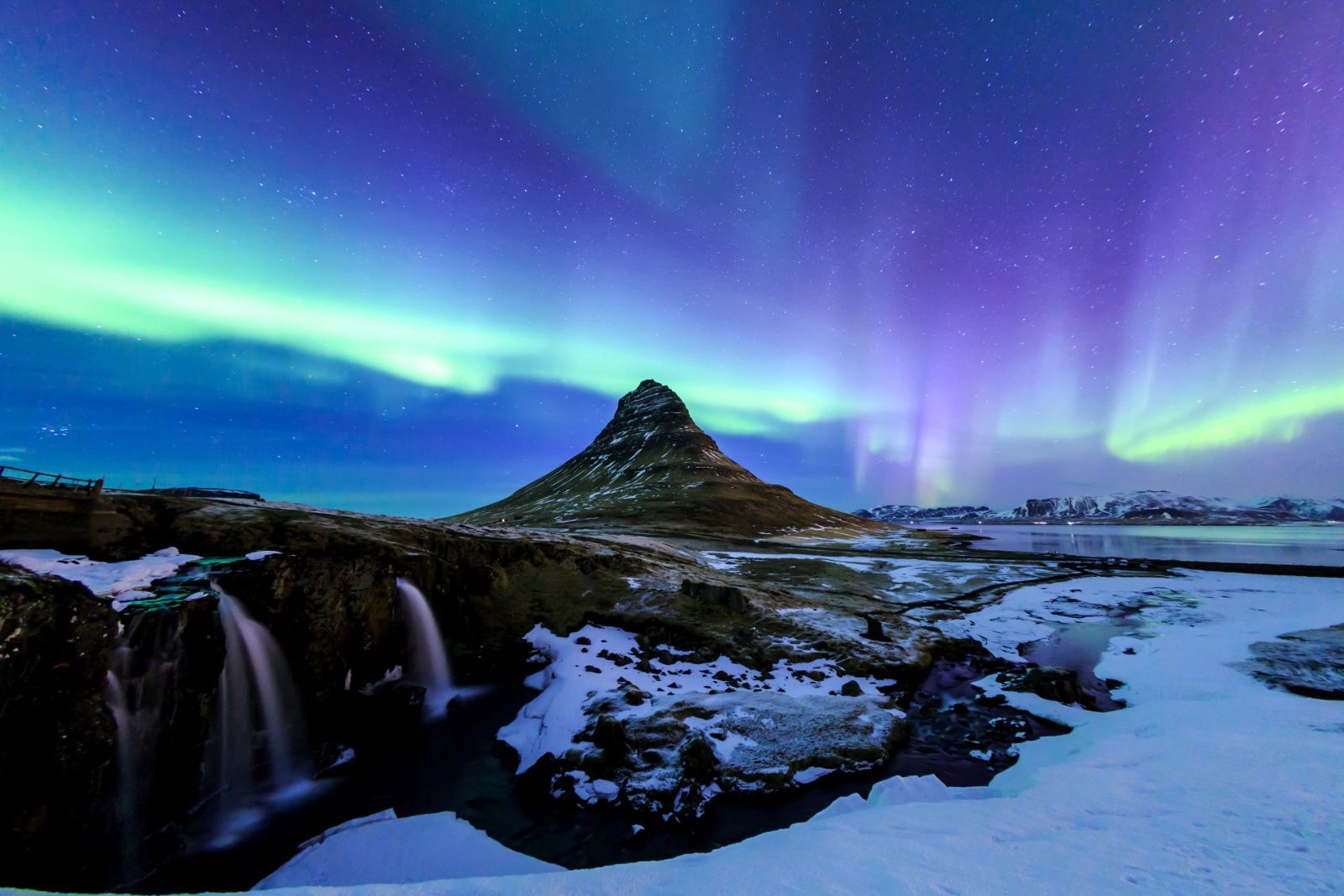
The northern lights in Iceland when to see question centers on the dark season from late August through mid-April, with peak visibility occurring September through March. Auroral activity follows an eleven-year solar cycle and requires at least four hours of darkness, limiting summer displays when Iceland experiences near-continuous daylight. Clear skies and minimal light pollution further concentrate optimal viewing between 21:00 and 02:00 during winter months, when darkness extends beyond twelve hours and geomagnetic storms reach Icelandic latitudes most reliably.
Iceland recorded its first scientifically documented aurora observation in 1716, though Norse settlers described the phenomenon centuries earlier as reflections from Valkyrie armor. The island's position at 64°N latitude places it within the auroral zone during periods of moderate solar activity, a geographic advantage that transforms the entire country into a viewing corridor from September onward. Darkness governs everything. Aurora borealis occurs year-round at high altitudes, but visibility requires a dark sky backdrop that Iceland cannot provide during its bright summer months. The autumn equinox marks the return of substantive night, and by late September the window between sunset and sunrise stretches beyond eight hours. This progression continues through winter solstice in December, when darkness dominates eighteen hours of each twenty-four-hour cycle. The extended night creates repeated opportunities to witness aurora displays, particularly during the statistical peaks around the equinoxes when geomagnetic disturbances intensify. Solar wind drives the mechanism. Charged particles from coronal mass ejections collide with oxygen and nitrogen in Earth's magnetosphere, releasing photons visible as green, red, and violet curtains across the northern sky. The current solar cycle, which entered its active phase in 2024, continues to generate frequent geomagnetic storms through 2026 and into 2027. Higher Kp-index readings correlate with stronger displays visible at lower latitudes, though Iceland's auroral zone position means even moderate activity produces observable phenomena on clear nights. Weather determines success as much as solar conditions. Iceland's maritime climate brings frequent cloud cover, particularly along the southern coast where Atlantic depressions track eastward. The northern and eastern regions experience statistically clearer skies during winter months, though no location guarantees visibility. Real-time aurora forecasts published by the Icelandic Met Office track cloud coverage and geomagnetic activity simultaneously, allowing aurora hunters to position themselves where conditions converge favorably. Light pollution from Reykjavík and coastal towns diminishes contrast, making rural locations and highland areas preferable for observation when roads remain passable.
“The island's position at 64°N latitude places it within the auroral zone during periods of moderate solar activity, transforming the entire country into a viewing corridor from September onward.”
Northern Lights in Iceland When to See: Seasonal and Daily Windows
The period from September to March offers the necessary darkness for viewing the aurora borealis, with the best visibility occurring during the late night hours. Clear, cloudless skies are essential for detecting auroral activity.
September–October
ModerateVariable 2°C to 8°C; cloud cover frequent. Early season provides manageable temperatures but shorter nights.
November–January
LowCold -5°C to 3°C; often overcast. Longest hours of darkness maximize potential viewing windows.
February–March
ModerateCold -4°C to 4°C; increasing solar activity. Spring transition offers a balance of darkness and daylight.
Verdict: The best time for viewing is between September and March, specifically during the best arrival window of 21:00–02:00 for optimal darkness.
Daily Availability for Northern Lights in Iceland When to See
The Northern Lights are a natural phenomenon visible throughout Iceland at any time of day or night. While the landscape is accessible around the clock, optimal viewing requires specific darkness conditions.
| Monday | 00:00–23:59 | |
|---|---|---|
| Tuesday | 00:00–23:59 | |
| Wednesday | 00:00–23:59 | |
| Thursday | 00:00–23:59 | |
| Friday | 00:00–23:59 | |
| Saturday | 00:00–23:59 | |
| Sunday | 00:00–23:59 |
Cost Considerations for Northern Lights in Iceland When to See
Accessing public natural landscapes to view the Northern Lights in Iceland requires no entry fee. All observation sites are located within the public domain.
A typical visitor pays 0 ISK for access, as the viewing cost is solely dependent on chosen transportation or guided tour services.
Preparation for Northern Lights in Iceland When to See
Northern lights hunting in Iceland requires specific gear and real-time weather monitoring to maximize your chances of a clear view.
-
Download aurora forecast apps — Track KP index and cloud cover before heading out.
-
Pack warm, layered clothing — Temperatures drop significantly during optimal viewing hours (21:00–02:00).
-
Bring a headlamp with red light — Preserve night vision while navigating dark locations.
-
Charge camera batteries and bring spares — Cold drains power quickly during long exposure photography.
-
Check road conditions on Safetravel.is — Winter driving requires updated route status and weather alerts.
-
Reserve accommodations outside Reykjavík if needed — Light pollution reduces visibility; rural areas offer clearer skies.
-
Prepare for flexible timing — Aurora activity is unpredictable; be ready to wait or reschedule.
Expert Tips for Northern Lights in Iceland When to See
Maximize your chances of observing the aurora by utilizing precise meteorological data and strategic location planning.
Consult the cloud forecast map at https://www.vedur.is to identify regions with low cloud density, as the lights remain invisible behind overcast skies. Cross-reference this with local wind patterns, as shifting winds can rapidly clear or obscure viewing sites.
Prioritize dark sky locations
Travel away from the light pollution of the capital to ensure your eyes adapt to the darkness, which enhances the visibility of fainter auroral displays. Small group tours often navigate to secluded areas where artificial light does not interfere with the natural phenomenon.
Check the aurora forecast
Review the Kp-index on official meteorological sites to gauge potential geomagnetic activity levels before departing. Higher index values indicate more active auroras, but clear skies remain the priority regardless of the predicted intensity.
Assess local terrain accessibility
Evaluate the topography of your chosen viewing site to ensure safe navigation during the night. Flat, open fields offer the widest horizon, which is necessary for spotting lower-intensity lights appearing near the horizon.
Utilize real-time updates
Check availability
Frequently asked questions about northern lights in iceland when to see
Everything you need to know about northern lights in iceland when to see